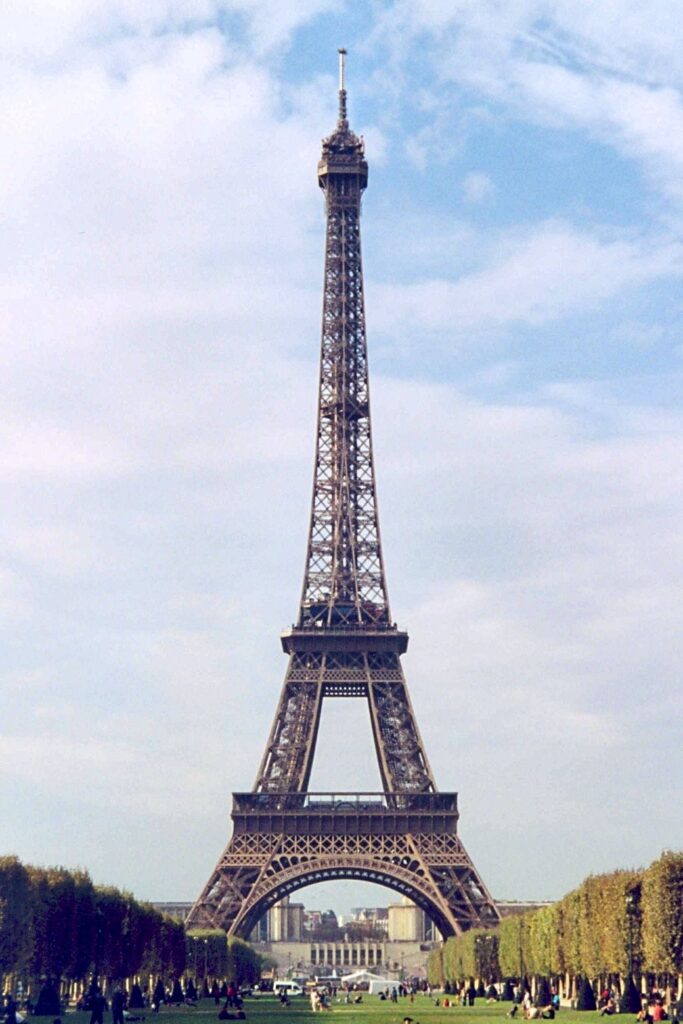
The short answer: Choose three main visits—the Eiffel Tower, a short Louvre visit and the Grande Galerie de l’Évolution—and leave one day largely unbooked. Pair each outing with nearby outdoor time, protect lunch and rest breaks, and book no more than one major attraction per day. This sample suits children roughly 6–10 years old, with accommodation around Odéon or the northern Luxembourg Garden area. The timings below are planning allowances, not measured journey times.
Prices and published visitor rules checked on October 6, 2026. Reconfirm them for your dates before paying.
1. Set up the trip around your family’s pace
This itinerary assumes four full sightseeing days, excluding arrival and departure, for two adults and children aged six and ten. It assumes the children can manage several short walks and the adults can use public transport. It is not a verified step-free itinerary.
Use the Odéon–Luxembourg area as the sample accommodation base, rather than as a claim that it is the cheapest place to stay. Before booking, compare the actual room arrangement, cancellation terms and door-to-door routes—not simply the nearest station name.
If you need a lift, confirm that it reaches your room without intervening steps. Ask about beds, breakfast arrangements and luggage storage rather than assuming “family room” answers those questions.
Build each day around this suggested rhythm:
- Morning: one main visit.
- Lunch: allow 60–75 minutes, including finding somewhere suitable.
- Afternoon: a playground, garden or short walk, followed by a rest.
- Evening: dinner without another fixed admission time.
Treat the day numbers as interchangeable. Both the Louvre and Grande Galerie de l’Évolution normally close on Tuesdays, so move the garden-focused day to Tuesday when necessary. Check holiday and exceptional closures too. (louvre.fr)
Before reserving anything, ask each child to choose one priority. If neither wants an art museum, replace the Louvre outing rather than adding another attraction to compensate.
2. Day one: Eiffel Tower, lunch and Champ de Mars play
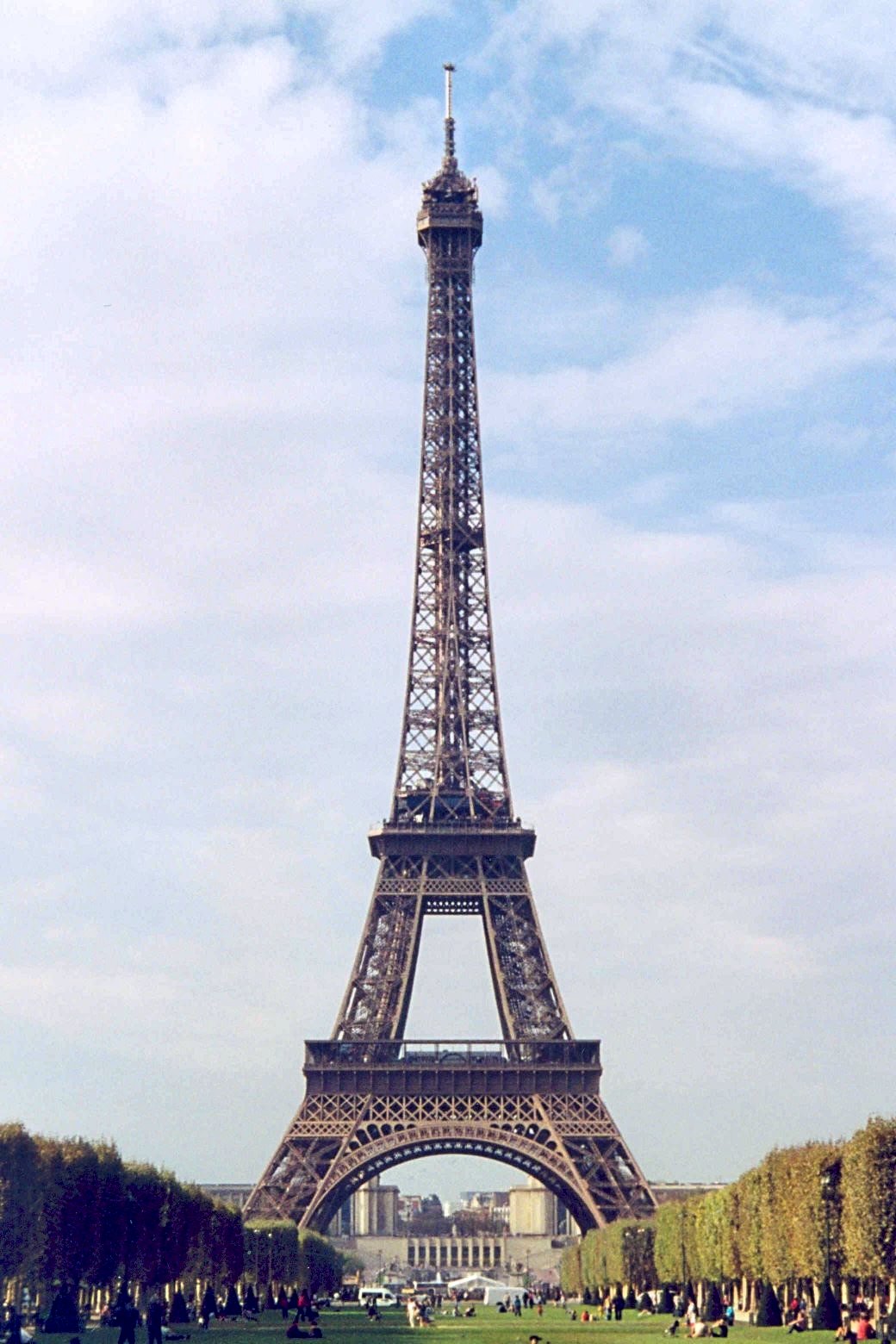
Make the Eiffel Tower your only major reservation. For this sample, choose second-floor access by lift: it avoids building the day around a stair climb or the additional summit stage. That is a pacing choice, not a claim that the summit is unsuitable for every family.
At the checked rates, second-floor lift tickets cost €23.50 per adult and €6 per child aged 4–11. Both sample children qualify for the child rate. Under-fours need a free ticket. (toureiffel.paris)
Allow a broad two-to-three-hour morning block for arrival, checks, the visit and descent. This is an itinerary allowance, not an official queue or visit duration. Follow the arrival instructions on your ticket; advance booking does not remove security checks.
Bring only a small day bag. The Tower accepts folding strollers, but not non-folding models, and does not provide luggage storage. All visitors undergo security checks. (toureiffel.paris)
Afterward:
- Have lunch before starting another walk.
- Give the children 45–60 minutes of suggested play time at Champ de Mars.
- Return to your accommodation if energy is fading.
The City of Paris lists playground provision at Champ de Mars. Follow the age labels on individual equipment and any local closures. (paris.fr)
Do not make Trocadéro, a river cruise and another monument compulsory additions. Choose at most one extra if everyone genuinely wants it.
If it rains: keep the booked visit only if the Tower is operating and conditions suit your family. Replace the park break with an indoor lunch and accommodation rest. Do not assume tickets can be moved or refunded; check the applicable terms before purchase.

3. Day two: a short Louvre visit, then the Tuileries
Book one Louvre admission slot and decide what you want to see before entering. Give each child a small task—find an animal, choose a favourite sculpture or sketch one object—instead of attempting an exhaustive tour.
Plan 90 minutes to two hours inside, with permission to leave sooner. That is a suggested family limit, not the time needed to see the museum.
Under-18s receive free admission. Include the children’s free reservations when booking and bring proof of eligibility. At the checked rates, adult admission is €22 for EEA citizens and/or residents, or €32 for visitors who are neither EEA citizens nor EEA residents. (louvre.fr)
Have lunch after the museum, then use the Tuileries as the afternoon’s main activity. The Louvre lists a children’s play area, carousel and trampolines in the garden; some activities carry separate charges. Choose one rather than promising them all. (louvre.fr)
Strollers are allowed in the Louvre. Oversized models may not fit its lifts, and front-worn—not back-worn—baby carriers are permitted. Loan strollers and other assistance equipment are available; the museum requests identification for equipment loans. (musee.louvre.fr)
If it rains: shorten or omit the garden stop. The Louvre’s Studio offers books, games and creative activities for a break during the visit. Use that as a pause, not a reason to extend the museum indefinitely. (musee.louvre.fr)
The common mistake here is buying another museum admission for the afternoon. Keep the second half of the day flexible.
4. Day three: Luxembourg Garden and an optional Seine walk
Leave this day largely unbooked. Start with Luxembourg Garden, allowing the children to play before asking them to appreciate another landmark.
The Senate’s garden brochure lists LudoJardin for children up to age 12, alongside miniature sailboats, a carousel and puppet theatre. Check current operation, charges and any performance schedule locally; the brochure does not establish that everything runs daily. Garden opening hours vary with daylight. (jardin.senat.fr)
A manageable suggested sequence is:
- Morning: playground time and a short garden circuit.
- Lunch: sit down near your base.
- Early afternoon: return to the room for quiet time.
- Later, optionally: walk north through the Saint-Michel area to the Seine, then turn back when the children have had enough.
For that optional walk, reserve 45–60 minutes each way including pauses as an initial planning allowance. Check the actual route from your accommodation; this is not a measured walking time. A bus or a shorter out-and-back walk may fit your family better.
Do not turn the river walk into compulsory interiors, tower climbs or timed admissions.
If sustained rain is forecast: consider swapping this day with the natural-history outing before booking, provided admission slots are available. If reservations are already fixed, use a slow lunch, drawing or games at your accommodation and a short walk during a dry interval. A recovery afternoon is a legitimate part of the itinerary.
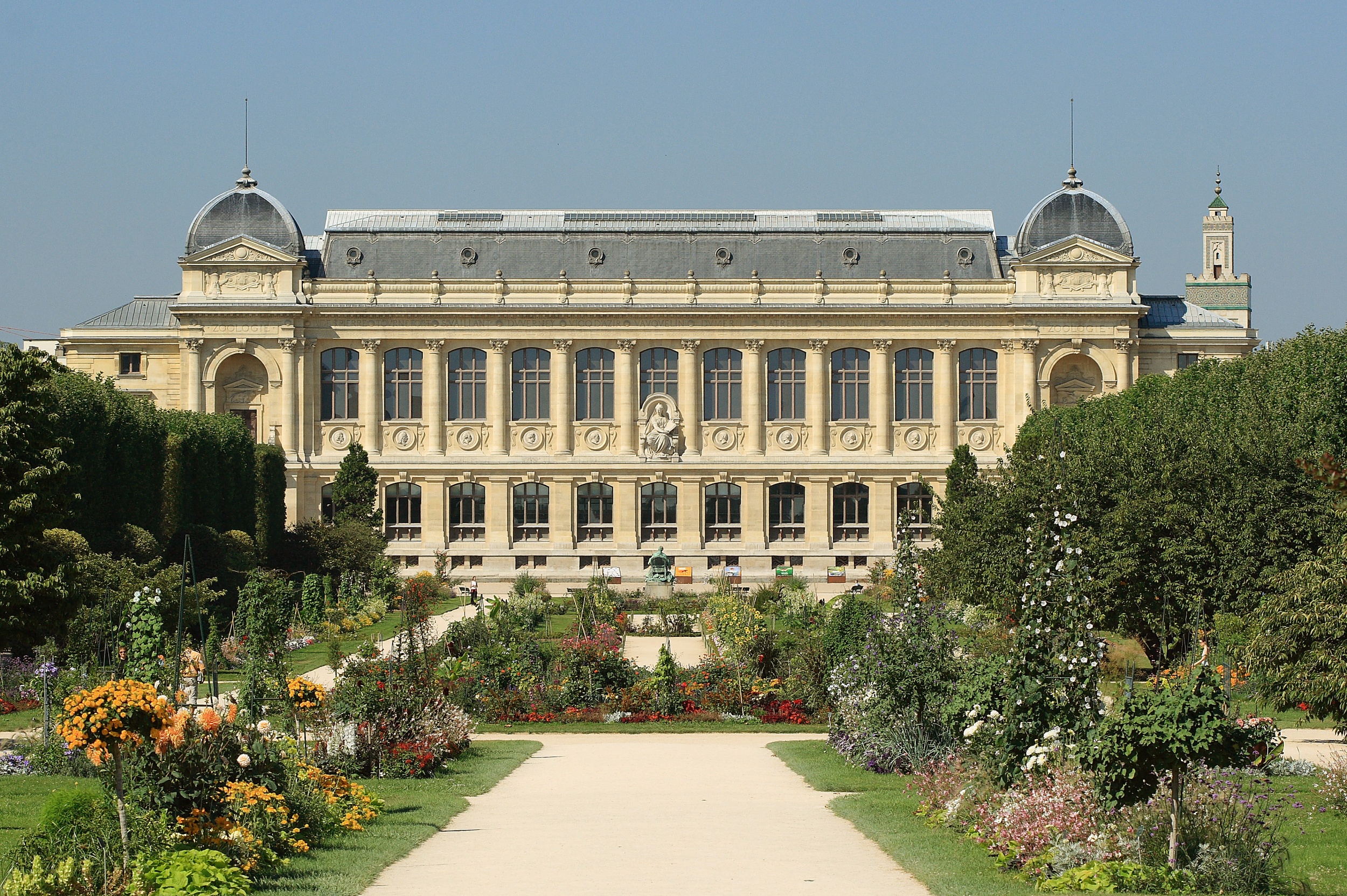
5. Day four: Grande Galerie de l’Évolution and Jardin des Plantes
Reserve the permanent collection at the Grande Galerie de l’Évolution as the day’s main visit. Its marine skeletons and procession of terrestrial animals give you two clear starting points without requiring a tour of every display. (mnhn.fr)
Allow a suggested 90 minutes to two hours, followed by lunch and garden time. Let each child choose an animal to investigate rather than reading every panel aloud.
The gallery normally opens 10 a.m.–6 p.m., except Tuesdays, with additional published holiday closures. Permanent-collection admission is €13 per full-paying adult; the published youth exemption covers both sample children, including non-EU residents. Bring supporting identification. Temporary exhibitions and other additions have different prices and conditions. (mnhn.fr)
Online booking is available; on-site admission is subject to availability. Reserve all four admissions rather than relying on walk-up entry. (mnhn.fr)
After lunch, use the garden as your stopping point. The museum lists picnic areas and children’s play provision, but not every lawn is open to visitors; designated accessible lawns also close during winter. (jardindesplantesdeparis.fr)
If it rains: this is already the most indoor-focused day. Drop the garden circuit and take a longer lunch or return to your accommodation. Avoid automatically adding the zoo, greenhouses or another gallery.
If you need stroller access or lifts throughout the museum, confirm the current route and equipment availability directly. A general accessibility listing cannot establish that every part of your visit will work.

6. Use transport to shorten days, not connect more sights
Check each day’s actual journey in the Île-de-France Mobilités or RATP planner. Compare a direct bus with a rail route that requires changes. For planning, add a 15–20-minute family buffer to the displayed journey for reaching stops, navigating and regrouping; that buffer is an editorial suggestion, not an operator estimate.
The checked 2026 single fares are:
| Ticket | Full fare | Reduced fare |
|---|---|---|
| Métro–Train–RER | €2.55 | €1.30 |
| Bus–Tram | €2.05 | €1.05 |
These are different tickets. The Métro–Train–RER ticket does not cover buses or ordinary airport-station journeys. (iledefrance-mobilites.fr)
The six-year-old qualifies for the child reduction; the ten-year-old does not qualify under the “4 to under 10” rule. Carry proof of age. Each traveler needs an individually valid ticket arrangement: one Navigo Easy card cannot be repeatedly validated to carry the whole family on the same journey. (iledefrance-mobilites.fr)
For strollers, RATP prefers folded models. Its buses allow limited numbers of unfolded strollers, with driver approval for boarding through the central door. Space is therefore not guaranteed. (ratp.fr)
For wheelchair users or anyone who must avoid stairs, build a separate accessible route. Check individual stops, stations and lift status; an accessible bus line does not mean every stop is accessible. (ratp.fr)
7. Worked example: admissions and eight rail journeys
Here is a partial budget, not a full trip cost, for two full-paying adults aged over 26 and children aged six and ten.
Assume the adults are U.S. citizens living in the United States, with no EEA citizenship or residence and no other admission concessions. Assume second-floor Eiffel Tower lift access, ordinary Louvre admission, the natural-history permanent collection, and two separately ticketed rail journeys per person per day.
| Item | Calculation | Family cost |
|---|---|---|
| Eiffel Tower | 2 × €23.50 + 2 × €6 | €59 |
| Louvre | 2 × €32; children free | €64 |
| Grande Galerie permanent collection | 2 × €13; children free | €26 |
| Eight rail journeys per person | 8 × [(3 × €2.55) + €1.30] | €71.60 |
| Selected admissions and transport | €220.60 |
The calculations use the checked official prices and age rules. (toureiffel.paris)
If both adults qualify for the Louvre’s €22 EEA rate, the same subtotal becomes €200.60. (louvre.fr)
Excluded: accommodation, meals, airport transfers, ticket-media purchase costs, playground or carousel charges, special exhibitions and transport beyond the assumed eight journeys. Some walking days may need fewer rides. Compare passes against your actual journeys rather than assuming a tourist pass is automatically good value.
8. Final checks that prevent an exhausting itinerary
Before departure:
- Put reservations on a calendar: confirm dates, child admissions and arrival instructions.
- Check the total journey: hotel door to attraction entrance, not just time aboard a train.
- Protect lunch and rest: do not fill those gaps with another ticket.
- Locate toilets: mark them before leaving, especially around outdoor stops.
- Check access: ask about room lifts, museum routes and stroller handling.
- Prepare one simple rain alternative: substitution is better than another cross-city trip.
- Set a stopping rule: when a child needs repeated carrying, refuses the next walk or stops enjoying the visit, return or shorten the day.
The aim is not to complete four days without changing anything. It is to make changes easy: one main visit, one nearby break and a straightforward route home.