Quick answer
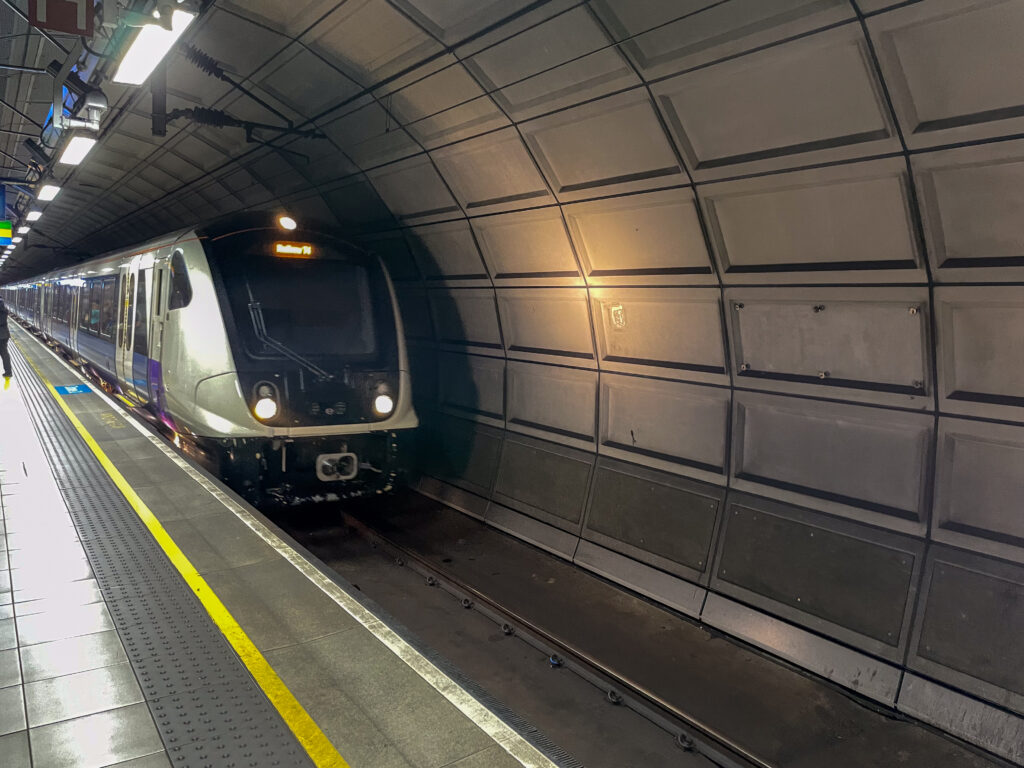
- Choose the Elizabeth line when your accommodation is near one of its central London stations, or you want a step-free airport-to-central-station journey.
- Choose the Piccadilly line Underground for the lowest rail fare and direct journeys to South Kensington or King’s Cross.
- Choose Heathrow Express when Paddington is your destination and speed matters—especially if a discounted advance ticket is available.
Heathrow Express is fastest to Paddington, not automatically to your hotel. Compare the final walk and any onward connection before paying more. These recommendations follow the operators’ routes, journey times and accessibility information. (heathrowexpress.com)
Checked on October 6, 2026. Prices below are adult single fares in pounds sterling, without Railcard discounts. Reconfirm fares, engineering works and terminal-specific departures for your travel date.
1. Compare the fare and destination—not just the headline speed
The three services solve different problems:
| Service | Adult single fare | Journey-time reference | Most useful when |
|---|---|---|---|
| Piccadilly line | £5.90 pay as you go between Heathrow and Zone 1 | Heathrow quotes about 50 minutes to central London; your station determines the actual time | Price matters, or your destination is directly on the line |
| Elizabeth line | £15.50 pay as you go between Heathrow and Zone 1 | A published weekday example takes 28 minutes from Terminals 2 & 3 to Paddington | Your destination is Paddington or farther along its central route |
| Heathrow Express | £26 standard single; advance singles advertised from £10 when booked at least 30 days ahead | 15 minutes from Terminals 2 & 3 to Paddington; 21 minutes from Terminal 5 | Paddington is your destination, or you value the faster airport leg |
The Piccadilly fare combines the March 2026 Zone 1–6 rate with TfL’s Heathrow rule: journeys starting, ending or passing through Zone 1 are charged at the peak rate regardless of the usual off-peak period. The Elizabeth line price is TfL’s published anytime airport fare. Express advance availability must be checked for your date. (london.gov.uk)
For a useful door-to-door comparison, add:
Terminal exit → airport platform → waiting → train ride → interchange, if needed → station exit → accommodation.
If starting the calculation at touchdown, add immigration and baggage collection separately. Do not treat an advertised train time as the time you will reach reception.
Use your accommodation’s full address in the journey planner, rather than simply entering “central London.”
2. Start from the right Heathrow terminal
You do not normally need to transfer terminals to use the Elizabeth or Piccadilly lines. Both serve Terminals 2 & 3, Terminal 4 and Terminal 5. Express directly serves Terminals 2 & 3 and Terminal 5; Terminal 4 requires an inter-terminal transfer. (heathrow.com)
- Terminals 2 & 3: the shared stations are between the terminals, reached through pedestrian subways. Follow signs for your chosen service.
- Terminal 4: rail and Underground stations are below Arrivals. A direct Elizabeth or Piccadilly train avoids the additional transfer needed for Express.
- Terminal 5: stations are in the terminal basement, with all three options available. (heathrow.com)
Elizabeth line frequency differs by terminal. Heathrow publishes four trains per hour from Terminal 4 and two from Terminal 5, with six serving Terminals 2 & 3. That means the next departure can matter as much as the difference in train speed. Check the platform display, especially early or late in the day. (heathrow.com)
Practical check: before boarding, confirm the service name and destination. Elizabeth line and Heathrow Express are different products even though both reach Paddington.

3. Pay correctly and understand the Express exception
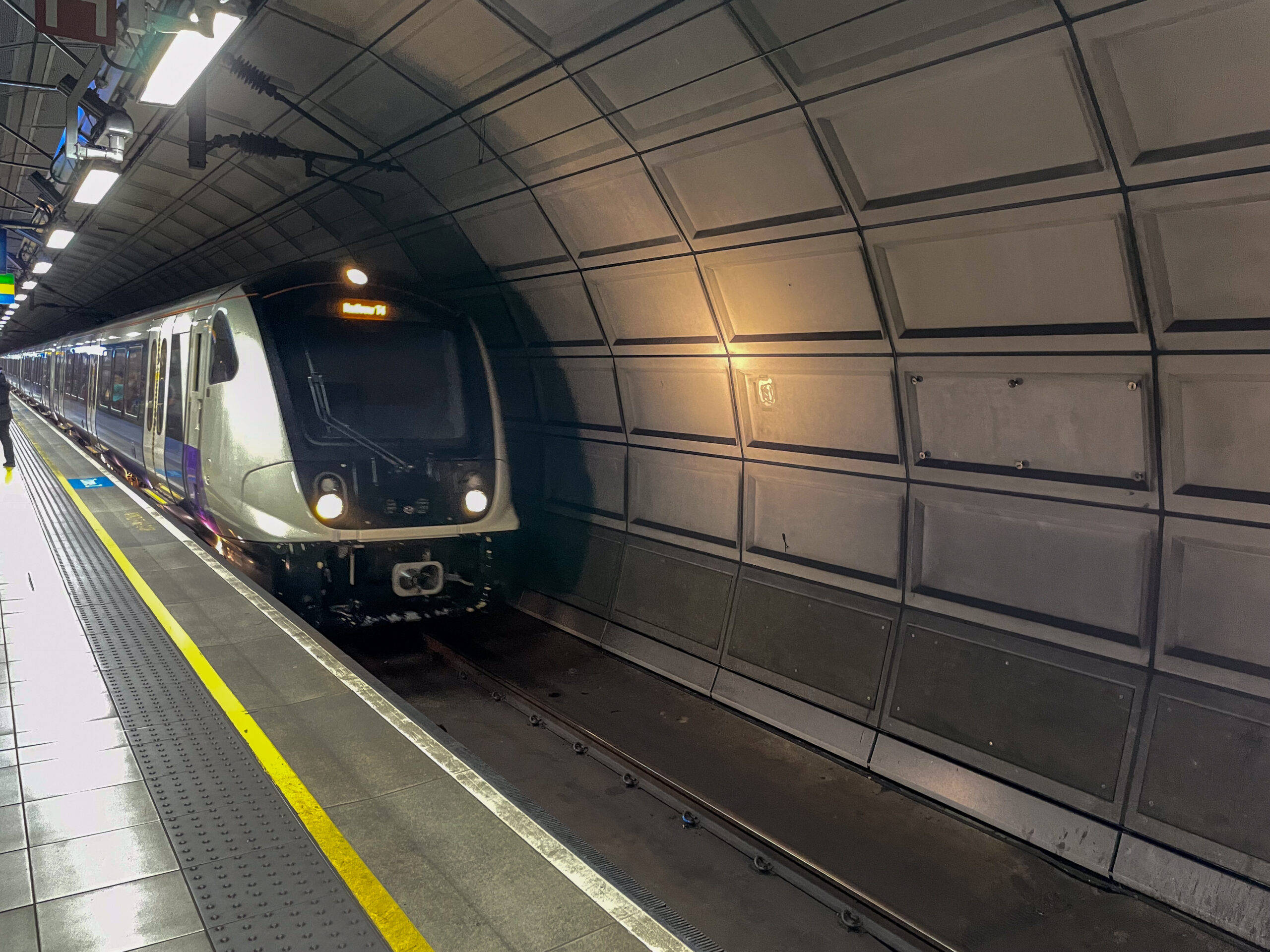
For the Elizabeth and Piccadilly lines, contactless payment or Oyster avoids buying an ordinary paper single. Each person paying an adult pay-as-you-go fare needs their own payment method: one card or device cannot pay for two people travelling simultaneously. (heathrow.com)
Touch in and out using the same physical card or the same device. A phone, watch and plastic card are not interchangeable for this purpose, even when connected to the same bank account. Remove the chosen card from your wallet to avoid another card being read accidentally. (tfl.gov.uk)
Heathrow Express also accepts contactless and Oyster, but tapping charges the standard £26 single fare. It does not automatically find the advertised £10 advance ticket. If you buy a ticket beforehand, use that ticket at the gates rather than starting a separate contactless journey. (heathrowexpress.com)
There is another important distinction: Express journeys do not count towards TfL fare caps, and Travelcards are not valid on Express. Eligible Elizabeth and Underground journeys participate in TfL capping, so compare the whole day’s travel—not only the first airport journey. (foi.tfl.gov.uk)
The discounted Express single is valid on its booked date but is non-refundable and non-amendable. Consider what happens if a delayed flight pushes your journey past midnight. (heathrowexpress.com)
For families, Express allows children aged 15 and under to travel free in Standard Class with a paying adult. Check the child-ticket arrangements and compare TfL’s age-specific concessions separately; multiplying the adult fare by every family member may give the wrong total. (heathrowexpress.com)
4. Staying near Paddington: compare Express with the Elizabeth line
Paddington is where Express makes its strongest case: there is no need to undo its time advantage with a long onward journey. The Elizabeth line also reaches Paddington directly, but through-running services use its separate underground platforms. (heathrowexpress.com)
Worked example: two adults arriving at Terminals 2 & 3, staying within walking distance of Paddington.
Assume each adult makes only this single transfer, with no discounts or fare-cap effects:
- Elizabeth line: 2 × £15.50 = £31
- Standard Express singles: 2 × £26 = £52
- Express advance singles, if £10 tickets are available: 2 × £10 = £20
Thus, standard Express costs the couple £21 more than Elizabeth, while two available £10 advance tickets cost £11 less. These are calculations from the published fares, not guaranteed booking quotes. (tfl.gov.uk)
For the train portion, TfL’s timetable valid from May 17 to December 12, 2026 shows a weekday Elizabeth departure from Terminals 2 & 3 at 17:25, reaching Paddington at 17:53: 28 minutes. Express publishes 15 minutes for the same station pair. The 13-minute difference compares train rides only—not waiting, exits or the hotel walk. (content.tfl.gov.uk)
Decision: check Express advance availability before dismissing it as expensive. If buying on arrival, decide whether its faster rail leg is worth the extra fare.
The Piccadilly line does not serve Paddington directly. Its lower fare therefore comes with an onward connection or a different final approach. (content.tfl.gov.uk)
5. Staying near King’s Cross: a direct Tube can beat a complicated transfer
For accommodation near King’s Cross St Pancras, the Piccadilly line offers a direct journey from Heathrow. Staying on one train avoids transferring luggage between services. Heathrow lists King’s Cross among its direct Underground destinations. (heathrow.com)
An Elizabeth line alternative is:
Heathrow → Farringdon → westbound Circle, Hammersmith & City or Metropolitan line → King’s Cross St Pancras.
Express offers another route:
Heathrow → Paddington → Circle or Hammersmith & City line towards King’s Cross St Pancras.
These connections appear on TfL’s network map. (content.tfl.gov.uk)
Neither connection should be judged by the airport train’s speed alone. Compare the departure you can actually catch, interchange walking, the next connecting train and your final exit.
For a first visit with luggage, use the direct Piccadilly journey as your baseline. Consider a faster rail-and-Tube combination only if the journey planner shows a worthwhile total-time advantage.
If connecting to a booked National Rail or Eurostar departure, plan to reach the correct departure station and its required boarding or check-in point, not merely the Underground platform bearing a similar name. Allow a separate contingency for flight delays.
6. Staying near South Kensington: direct does not mean step-free
The Piccadilly line serves South Kensington directly. Neither Elizabeth nor Express does; both require an onward connection or road journey. For a traveler able to manage the destination station, the direct Tube is the straightforward starting choice. (content.tfl.gov.uk)
However, South Kensington is not a step-free street-to-platform station on TfL’s current guide. Its appearance as an interchange does not make it suitable for an entirely step-free arrival. (content.tfl.gov.uk)
If stairs are unsuitable, plan a different final approach—for example, a step-free rail destination followed by an appropriate road transfer. Confirm the exact route to your accommodation rather than assuming the nearest named station is usable.
The Elizabeth line has step-free street-to-platform access at every station, with level platform-to-train access at Heathrow and its central London stations. That does not guarantee that a subsequent Tube connection is step-free. (tfl.gov.uk)
For a wheelchair, stroller or heavy cases, check:
- The entire route, including interchange corridors and the station exit.
- Lift availability on the day.
- Whether boarding assistance or a ramp is needed.
- The final pavement route and accommodation entrance.
TfL’s accessibility guide distinguishes access to the platform from access onto the train; both matter. Express also lists wheelchair accessibility and luggage storage among its Standard Class facilities. (content.tfl.gov.uk)
7. Arriving late: check the last usable journey, not your landing time
Heathrow’s published Elizabeth line last departures towards London are 23:47 from Terminal 4, 00:07 from Terminal 5 and 00:12 from Terminals 2 & 3. Treat these as timetable references, not promises that a late flight will connect. (heathrow.com)
Check whether that departure continues to your intended station. Some late Elizabeth services use Paddington’s mainline platforms rather than continuing through the central tunnels. Your onward Tube may also have finished. Express is not a 24-hour service; consult its live terminal-to-London departures rather than using the last train time in the opposite direction. (content.tfl.gov.uk)
Late-arrival fallback:
- Friday or Saturday night: the Piccadilly Night Tube serves Heathrow, but not Terminal 4. Recheck disruption notices. (tfl.gov.uk)
- Other nights, or when rail is unavailable: the N9 night bus runs from Terminal 5 and Heathrow Central Bus Station towards Aldwych, serving places including Hammersmith, Green Park and Piccadilly Circus. TfL buses do not accept cash. Check the departure and final connection before choosing it. (heathrow.com)
- When public transport does not fit your needs: Heathrow has licensed black-taxi ranks outside each terminal. Ask about the likely metered fare; for a booked private-hire transfer, confirm the total price, luggage capacity and meeting point. (heathrow.com)
If you arrive at Terminal 4 after its rail service ends, verify the available terminal-transfer option with airport staff before heading towards another station.
8. Make these checks before committing
The most common planning errors are comparing the wrong destination, assuming a fast airport train means a fast hotel arrival, and buying a discounted ticket without considering its date restrictions.
Before departure:
- Save your accommodation’s address and preferred station exit.
- Compare routes from your actual Heathrow terminal.
- Check planned works, lift status and the last complete journey.
- Decide how every fare-paying traveler will pay.
- Save any purchased ticket where you can retrieve it easily.
- Keep a workable late-arrival alternative.
After clearing Arrivals, check departures again. Your best option may change if one train is leaving shortly and another requires a wait.
Choose the route that gets you to your accommodation with an acceptable fare and manageable changes—not simply the train with the shortest advertised ride.